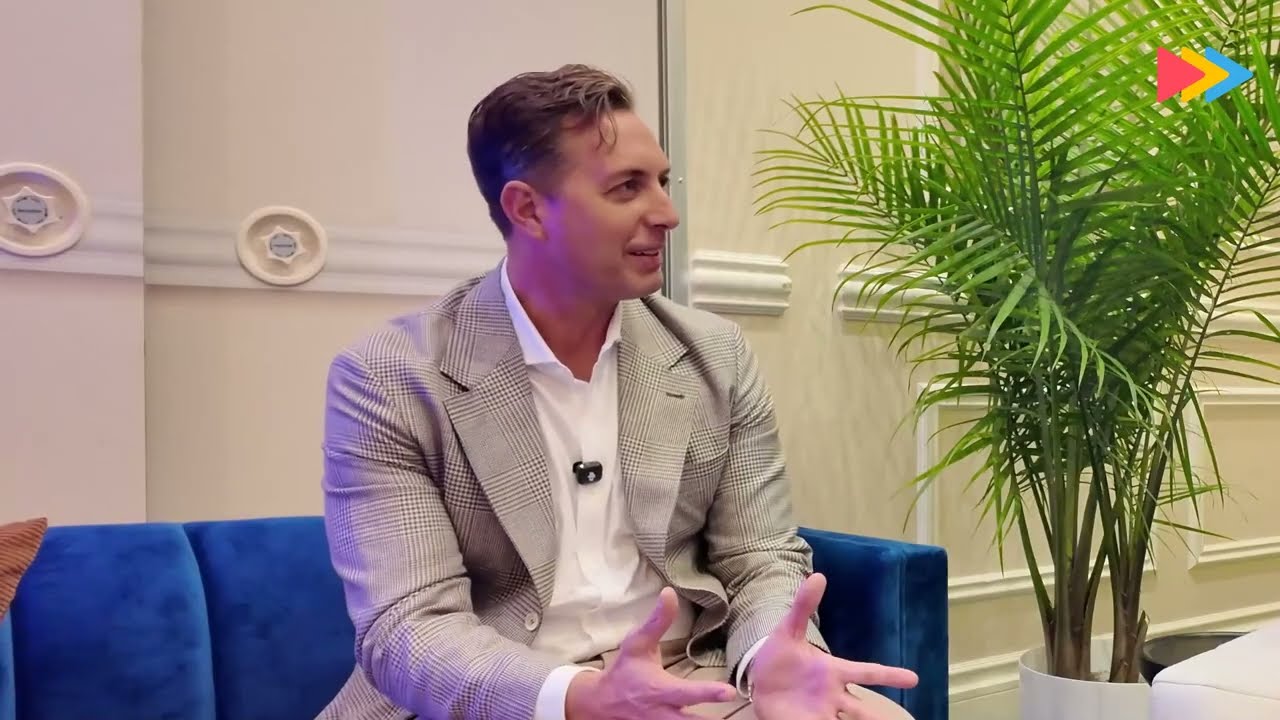
ServiceNow is making a dramatic architectural shift that could redefine how enterprise platforms serve the AI agent revolution. VP of Engineering Joe Davis reveals exactly how they’re doing it in this exclusive Knowledge 26 interview.
In this comprehensive discussion, Davis pulls back the curtain on Action Fabric, ServiceNow’s headless MCP server that fundamentally changes how AI agents interact with enterprise workflows. But the real story goes far beyond a single product announcement, it’s about how established enterprise platforms are racing to remain relevant as AI agents become primary users alongside humans.
What you’ll discover in this video
Davis explains the strategic thinking behind ServiceNow’s move to headless architecture and why the company views AI as a “tailwind” rather than a threat. You’ll learn how Action Fabric’s MCP registry balances ServiceNow certification with customer experimentation needs, and why the AI gateway serves as a neutral orchestration layer that customers are voluntarily adopting.
The conversation takes a fascinating turn when discussing industry-wide challenges. Davis reveals which vendors are cooperating on AI governance APIs and which aren’t, why customer demand will ultimately drive adoption, and how ServiceNow uses log pattern analysis as an alternative when APIs aren’t available. His comparison of AI’s probabilistic thinking with the deterministic workflows required for regulated processes like fraud disputes crystallizes why enterprise software won’t be displaced by AI alone.
Critical insights for enterprise architects
Perhaps most intriguing is Davis’s perspective on whether headless architecture represents a new industry standard, and his response to the “SaaSapocalypse” narrative. With Salesforce announcing similar moves around the same time, the convergence suggests this could define the next era of enterprise software. But Davis makes clear that success will depend on innovation pace, openness to experimentation, and solving real customer problems rather than chasing technological trends.