Your security team is drowning in alerts. They know it. You know it. But have you ever stopped to ask whether the real problem is not the alerts themselves, but whether anyone actually knows which ones truly matter to your business?
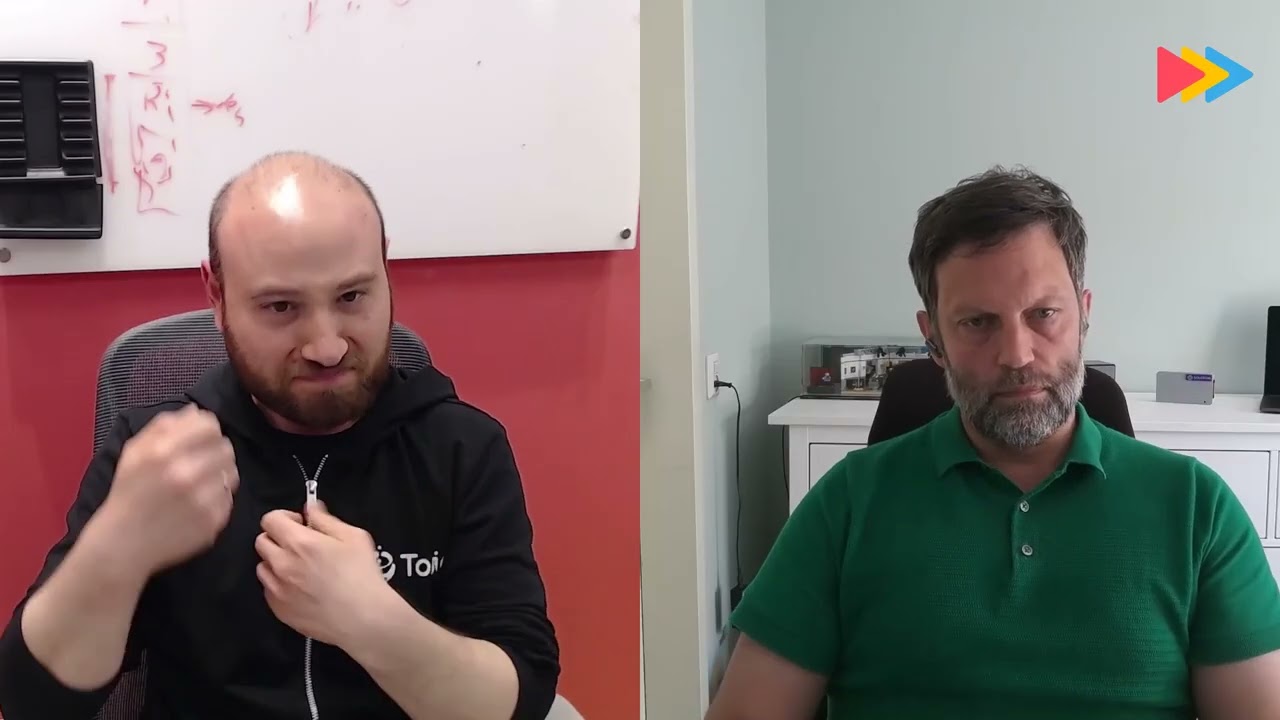
In this Techzine TV episode, David Warshavki, co-founder and Chief Product Officer of Tonic Security, makes a provocative case: the cybersecurity industry has made the situation worse, not better, by creating an abundance of tools that shout about critical findings until the word critical loses all meaning. And the consequences are not just operational inefficiency — they are the direct cause of breaches.
Tonic Security came out of stealth in 2025 with a radically different approach to exposure management — one built on decades of frontline incident response experience against some of the world’s most advanced nation-state threat actors. What Warszawski and his team learned from those campaigns fundamentally shapes how the platform works, and the logic behind it will make you rethink some deeply held assumptions about how security operations should run.
What you will discover in this episode
This conversation goes deep — and it is packed with insights that security practitioners, CISOs, and IT leaders will find both validating and challenging. Here is a taste of what is covered, without giving away the conclusions:
- Why the postmortem data from hundreds of real incident responses points to a surprising and uncomfortable root cause that most vendors are incentivized not to talk about
- What Tonic does with your Slack messages, Confluence pages, ServiceNow tickets, and Microsoft Teams conversations — and why this is the key to something the security industry has been missing for years
- The critical difference between three layers of threat analysis that almost no tool addresses completely — and what happens when you can finally answer all three questions at once
- Why security teams are afraid to patch things even when they know they should — and how Tonic resolves that paralysis
- How the Tonic Mobilization Coordinator works and what it means for organizations that want to move beyond manual remediation workflows
- What Tonic’s customers actually say after using the platform — the feedback may surprise you, and it has nothing to do with dashboards or compliance scores
- Where Tonic sits in relation to tools like Tenable, Rapid7, Qualys, and newer exposure management platforms — and whether it is another line item or something that can replace existing spend
- Why the next big move for Tonic involves opening up to the broader ecosystem, and what that means for teams building their own agentic workflows
Who should watch this
If you manage a security operations team, own a vulnerability management program, are evaluating exposure management platforms, or are simply trying to understand how agentic AI is changing the way security tools work in practice, this episode is worth your full attention. Warszawski speaks from experience — not from a slide deck — and the conversation covers both the technology and the very human problems it is trying to solve.
Hit play and find out whether Tonic Security’s approach is the refreshing take on cybersecurity it claims to be.