What if you could transform expensive, underutilized GPU infrastructure into a high-margin revenue machine? Mirantis k0rdent AI is doing exactly that for neoclouds making 7, 8, and 9-figure investments in AI hardware.
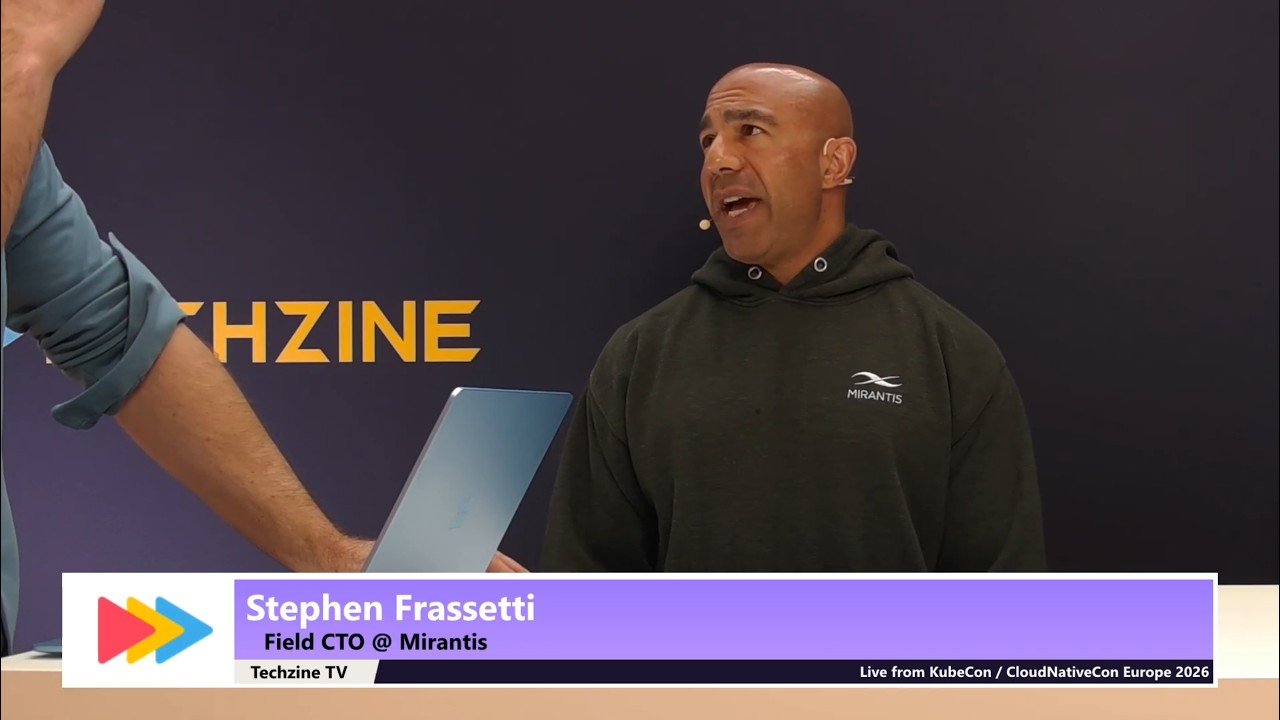
In this interview from KubeCon+CloudNativeCon, Stephen Frassetti, Field CTO at Mirantis, reveals how a new category of infrastructure platform is solving the neocloud economic equation. The challenge is clear: massive investments in NVIDIA GPUs often sit idle or run single-tenant workloads with low utilization. The solution involves rethinking infrastructure management from bare metal to AI models.
Watch this video to discover how k0rdent AI is changing the economics of AI infrastructure and what it means for the hundreds of neoclouds emerging in the market.
What you’ll learn in this video
Frassetti walks through the comprehensive approach Mirantis takes to NeoCloud infrastructure, starting with a surprising revelation about how the company automates everything from hardware provisioning through to value-added AI services. You’ll learn about the specific integrations that make this possible and why declarative automation matters for operational efficiency.
The discussion reveals the critical economics driving NeoCloud adoption of platforms like k0rdent AI. Frassetti explains the gap between where investment happens (metal level) and where revenue is generated (model level), and how multi-tenancy and virtualization bridge that gap. You’ll discover specific techniques for increasing density while maintaining hardware-level isolation.
A fascinating segment covers Mirantis’s validation as a founding member of NVIDIA’s AI Ready Cloud Readiness Program. The performance numbers Frassetti shares demonstrate how abstraction layers can add value without sacrificing performance—challenging conventional wisdom about infrastructure overhead.
Key topics covered
- How bare metal to AI model automation reduces operational complexity for NeoClouds
- The specific techniques k0rdent AI uses to increase GPU density and multi-tenancy
- Why value-added services like Slurm and Ray command higher margins than basic GPU-as-a-service
- Performance validation results against NVIDIA reference architecture
- How open composable architecture prevents vendor lock-in while enabling best-of-breed integration
- The approach to hybrid and multi-cloud management from a single control plane
- How Mirantis maintains open source commitment while building a sustainable business
- Market dynamics in the emerging neocloud ecosystem
Whether you’re operating a neocloud, building AI infrastructure, or evaluating Kubernetes platforms for GPU workloads, this interview provides concrete insights into the architecture and economics of modern AI infrastructure management.