SAP has made a bold declaration at its Sapphire conference in Las Vegas: the era of best-of-breed enterprise software is ending, replaced by a best-of-suite future driven by AI. But what’s really behind this strategic shift, and should enterprises believe it?
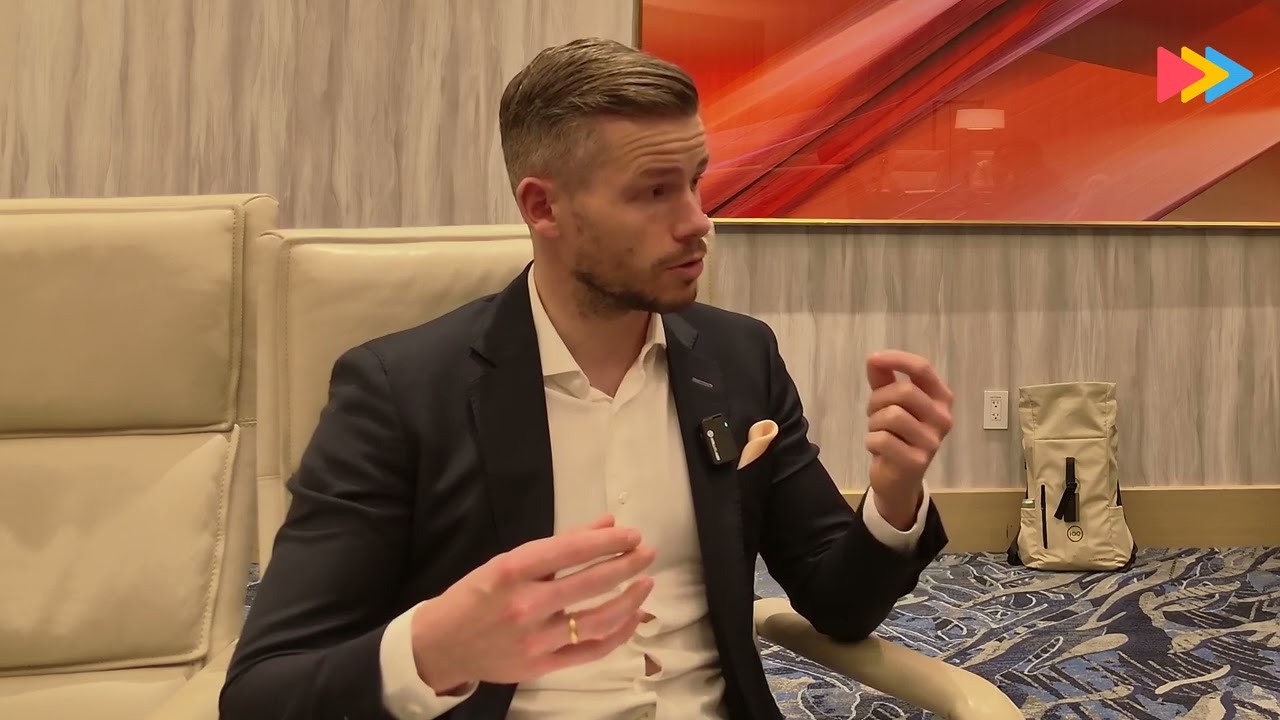
In this exclusive Techzine TV interview, Stefan de Barse, President of Global Business Suite at SAP, reveals the company’s controversial vision for the future of enterprise software. Coming from a best-of-breed background himself (seven years at o9 Solutions), De Barse brings credibility to an argument that many will find challenging: that the application layer is being commoditized just like infrastructure was by cloud computing.
This isn’t just marketing rhetoric. De Barse explains the specific technical and business reasons why SAP believes organizations running thousands of applications will face an “integration nightmare” as AI becomes pervasive. The interview dives deep into real challenges enterprises face today and how SAP’s approach with Joule, its AI assistant, aims to solve them.
What you’ll discover in this interview
The conversation covers critical questions every enterprise technology leader is grappling with right now:
• The multi-vendor reality: How will SAP’s best-of-suite vision work when organizations inevitably use Salesforce, Workday, Adobe, and other vendors? De Barse addresses this directly, including SAP’s commitment to agent-to-agent communication standards like MCP and A2A.
• Data as competitive advantage: Why SAP believes its Business Data Cloud and “rich semantics” approach gives it an edge that competitors can’t easily replicate, and why customers are responding so enthusiastically.
• The AI chaos problem: With vendors releasing dozens of new AI agents every quarter, how will business users avoid drowning in hundreds of AI options? De Barse reveals SAP’s strategy for embedding AI in business processes rather than creating standalone tools.
• Real customer impact: Learn how a $60 billion electronics manufacturer used SAP’s integrated suite to respond to tariff changes six months faster than traditional approaches, with concrete business outcomes.
• The appless experience: What does it actually mean when SAP says Joule will become the new UI for enterprise software, replacing traditional application interfaces with conversational AI?
• Embedded AI strategy: Why 95% of generative AI pilots fail according to MIT research, and how SAP’s approach of embedding AI directly in business processes aims to achieve the scale that standalone AI layers cannot.
Critical questions answered
The interviewer doesn’t let SAP’s vision go unchallenged. You’ll hear tough questions about potential contradictions in the strategy, concerns about vendor lock-in, and whether SAP will truly support multi-vendor AI integration or limit capabilities to pull customers toward their platform.
De Barse also addresses practical implementation concerns: If a specialized best-of-breed solution saves an organization $2 million annually through a unique feature, what’s the business case for consolidation? How will organizations manage the transition? What happens to investments in existing systems?
Why this matters now
This isn’t a theoretical discussion about future possibilities. Organizations are making critical decisions right now about their enterprise architecture, AI strategies, and vendor relationships. The choices made in 2024 and 2025 will shape technology landscapes for the next decade.
Whether you agree with SAP’s best-of-suite vision or remain committed to best-of-breed approaches, understanding the technical and strategic arguments behind this shift is essential for any enterprise technology leader. The interview provides concrete examples, specific technical details, and real customer stories that go far beyond typical vendor messaging.
Watch the full interview to understand how one of the world’s largest enterprise software companies is betting its future on a fundamentally different approach to AI, integration, and business applications. The insights will help you evaluate your own organization’s strategy in a rapidly changing landscape.