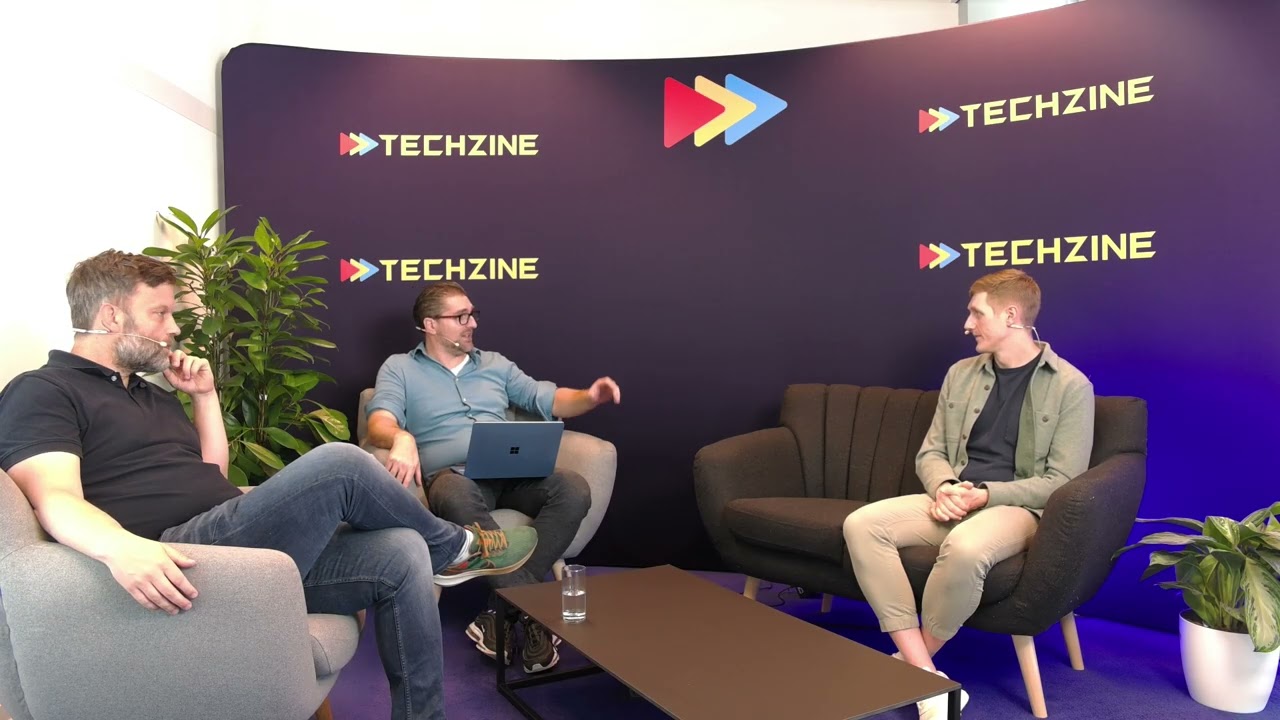
What does the head of product for one of the world’s most widely used project management tools actually think about AI — and where is it all heading? At Atlassian Team in Amsterdam, Techzine TV got a rare, candid conversation with Dave Meyer, VP and head of product for Jira, and the answers are more nuanced — and more practical — than the usual AI hype.
With 15 years at Atlassian, Meyer has seen every major wave of change in software development: Agile, DevOps, DVCS, mobile. Now he is navigating what he calls the biggest technology shift since mobile devices. But his perspective on what that actually means for engineering teams, product managers, and security professionals is far more grounded than you might expect.
If you work in software development, product management, IT, or engineering leadership, this interview covers territory that is directly relevant to decisions you are making right now. Watch it before you finalize your next sprint, your next security review, or your next conversation about AI strategy.
What you will discover in this video
Meyer covers a remarkable amount of ground in under 18 minutes. Here is a taste of what is waiting for you when you press play:
Why AI’s impact may surprise you
Meyer has a specific — and historically grounded — take on how transformative AI really is for software development. It is not the answer most people give, and it reframes the whole conversation about urgency versus perspective. You will want to hear how someone who has lived through the previous major shifts actually rates this one.
The framework Atlassian uses to keep engineering on track
Atlassian has developed an internal framework for classifying all engineering work into three distinct types — and they set hard percentage targets for how teams should be spending their time. Meyer explains what those categories are, what the targets look like, and why AI makes this framework more important, not less. This is the kind of operational clarity that most organizations are still searching for.
Why the AI SDLC is not what you think
Most discussions of the AI SDLC treat it as a single, linear process. Meyer disagrees — and has a completely different mental model for how organizations should approach it. He uses a metaphor that instantly makes the complexity manageable. This alone is worth the watch for anyone building or refining an AI development strategy.
The real bottleneck nobody is talking about
Everyone is focused on code generation, pull requests, and review velocity. Meyer argues the actual bottleneck is somewhere else entirely — and it has major implications for how organizations should be investing their AI productivity gains. His answer will make you rethink where your biggest constraint really sits.
Security and development: a new kind of collaboration
Shift left has been a buzzword for years. Meyer shares a concrete, real-world example from inside Atlassian that shows what it actually looks like when it works — and why AI productivity is the unexpected enabler of genuine security collaboration. The story is specific, operational, and immediately applicable.
How agentic AI fits into security workflows
Beyond human collaboration, Meyer lays out a vision for how agentic AI can automate security detection, triage, and remediation end to end. But he is also honest about what it actually takes to build those systems properly — and why it is significantly more involved than most people assume.
Key questions this video answers
- How should engineering teams think about the different types of work they do — and how does AI change the balance?
- What does a product built for everyone actually look like from the inside — and how do you stop it from becoming everything to nobody?
- Why are feature factories a growing risk in the AI era, and what is the alternative?
- How can security and engineering teams collaborate more effectively when both are under pressure to move faster?
- What does it really take to build agentic AI systems for security — beyond the obvious first step?
Dave Meyer does not deal in vague aspirations. This is a conversation grounded in 15 years of building one of enterprise technology’s most consequential products — and it is packed with frameworks, examples, and perspectives you can actually use. Hit play and find out why Jira’s head of product is more confident in the vision than ever.