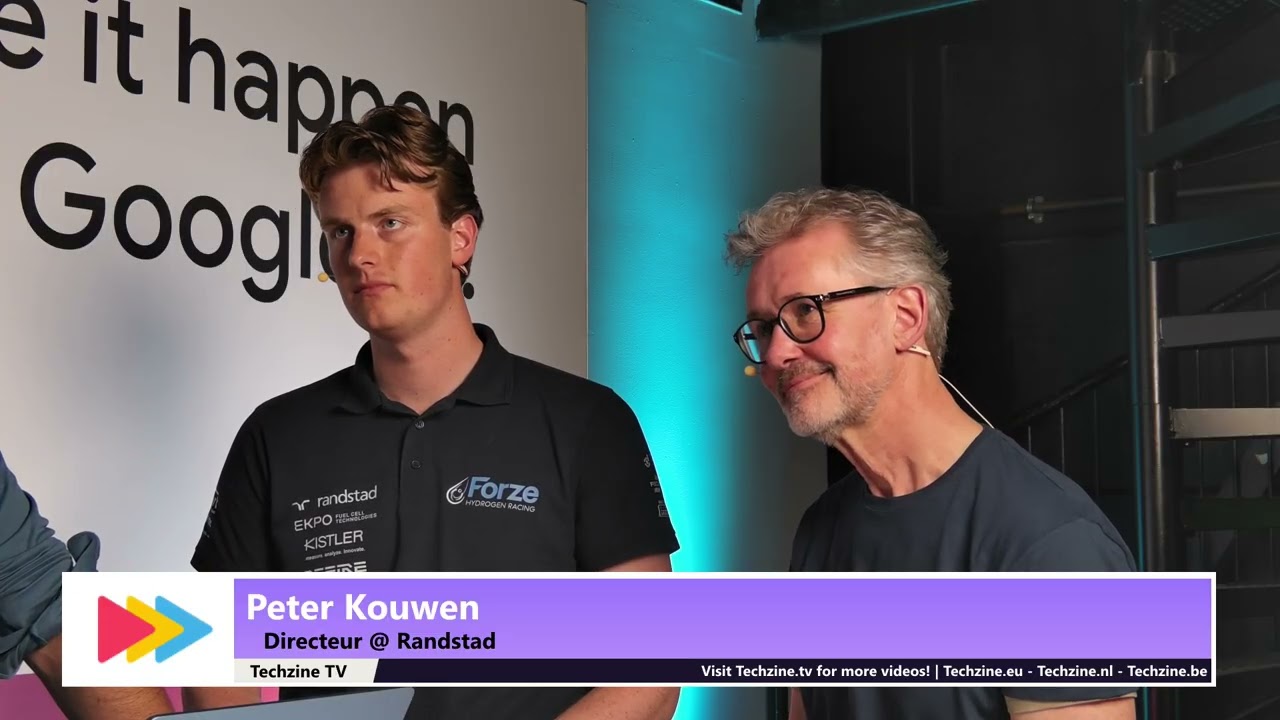
Imagine losing your entire workforce every single year. That’s the reality for Forza Hydrogen Racing, and they’ve solved it with an AI mentor that will change how you think about institutional knowledge.
In this revealing conversation from Google Cloud AI Live, you’ll discover how a student racing team partnered with Randstad Digital to build an AI agent in just four weeks—without cleaning up their messy data first. The results? Onboarding speed doubled, productivity increased across the board, and 18 years of engineering knowledge became instantly accessible.
This isn’t a theoretical case study. Team manager Olivier de Broux and Randstad director Peter Cowen share the exact strategies they used, the challenges they faced, and the surprising benefits they didn’t expect. If your organization struggles with knowledge silos, retiring experts, or slow onboarding, this video reveals a proven blueprint you can follow.
What you’ll learn in this video
The extreme knowledge transfer challenge
Discover why Forza Hydrogen Racing represents the most difficult knowledge management scenario possible—and why that makes their solution applicable to any organization. You’ll understand the specific pain points they faced with 50-60 students cycling through annually and how this mirrors challenges in your own company.
Building an AI mentor without perfect data
Learn the counterintuitive approach that allowed them to launch in four weeks instead of years. You’ll see why they didn’t reorganize their data first, how they handled documents with no standards, and the integration strategy that made messy information accessible without transformation.
Preventing AI hallucinations in critical applications
Understand the specific requirements they implemented to ensure accuracy and trust. The video reveals their approach to source citations, how they force the AI to acknowledge gaps in knowledge, and why this matters more than perfect training data.
Measuring real productivity impact
See the concrete results they achieved and how they measured success. From onboarding speed to daily productivity gains, you’ll learn what metrics matter and what outcomes you can expect when implementing similar solutions.
The rapid implementation framework
Discover the “think big, start small, iterate fast” philosophy that made this project successful. You’ll see how short feedback loops with end users, zero-copy data integrations, and co-creation principles accelerated development and ensured adoption.
Enterprise applications beyond racing
Understand how this extreme case applies to corporate environments. The discussion covers retiring workforce knowledge capture, reducing bias in knowledge transfer, accelerating new hire productivity, and making legacy system expertise accessible.
Key insights revealed
- Why AI objectivity eliminates the bias inherent in human knowledge transfer
- How implementing AI exposed documentation gaps and improved organizational culture
- The unexpected connection between AI mentors and the ability to hire junior talent
- Future applications in real-time troubleshooting and race strategy
- Why most organizations overthink AI projects and delay value creation
Watch now to see how a student team solved in four weeks what many enterprises struggle with for years—and learn the practical steps you can take to replicate their success in your organization.