When one of the world’s most popular open source databases switched to a proprietary license, engineers from six companies made an unprecedented decision: they would create a truly community-driven alternative together.
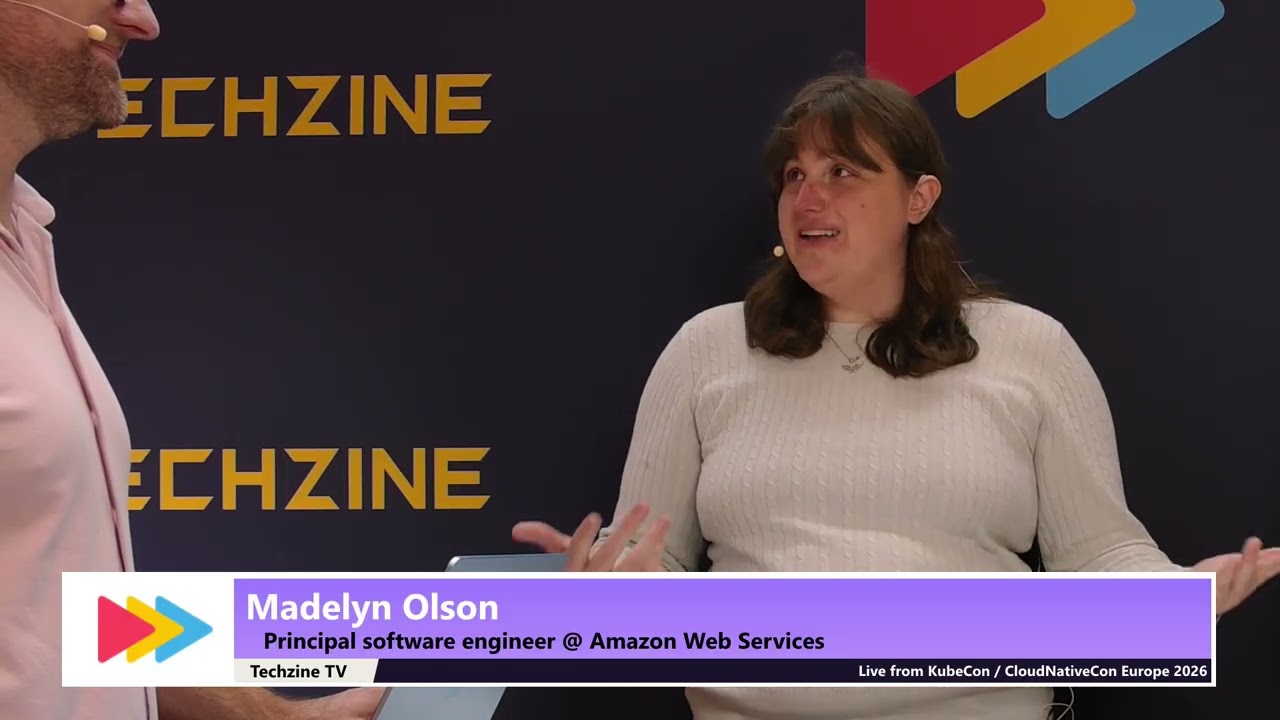
In this revealing conversation from KubeCon, Madelyn Olson, principal software engineer at Amazon and co-founder of Valkey, explains the technical and philosophical decisions behind forking Redis. She shares insider details about the challenges of contributing to Redis before the fork, why the team chose specific licensing strategies, and how Valkey already outperforms its predecessor in key areas.
This discussion goes deep into topics that matter for anyone working with in-memory databases, AI infrastructure, or open source governance. You’ll discover insights about performance optimization, API compatibility decisions, and the future of community-driven database development.
What you’ll learn in this video
Olson reveals the behind-the-scenes story of how engineers from Amazon, Alibaba, Tencent, Ericsson, Huawei, and Google coordinated across challenging time zones to build Valkey. She explains why Redis’s move back to AGPL licensing still doesn’t address the core governance issues that motivated the fork, and how the Linux Foundation helps ensure Valkey remains truly open source.
The technical discussion covers Valkey’s five development pillars and how they translate into real performance improvements. You’ll learn about specific features that Redis rejected but Valkey successfully implemented, including slot statistics for cluster heat analysis and refined IO threading that reduced code complexity by 90% while maintaining performance gains.
For teams working with AI and machine learning, Olson provides detailed insights into Valkey’s vector similarity search capabilities and how they differ from other vector databases. She explains the performance characteristics that make Valkey ideal for ultra-low-latency AI inference workloads where time to first token critically impacts user experience.
Key topics explored
- The governance and licensing decisions that led to Valkey’s creation
- How six companies collaborate on weekly development with full transparency
- API compatibility strategies and the implications of BSD versus AGPL licensing
- Memory efficiency optimizations that matter during DRAM shortages
- Vector search architecture for high-recall, low-latency AI workloads
- The role of open standards in making AI development more efficient
- How Valkey’s community decides between enterprise learnings and new innovations
- Future roadmap priorities and the pragmatic approach to feature development
Whether you’re evaluating in-memory databases for production deployments, contributing to open source infrastructure projects, or architecting AI systems that need performant KV caching, this conversation provides valuable perspectives on the technical and organizational challenges of building community-driven database software.
Watch the full interview to understand why Valkey represents a significant shift in how open source database development can work when true community governance guides technical decisions.