Ever wondered how technology legislation actually gets made in Brussels, or why digital sovereignty has become Europe’s hottest political topic?
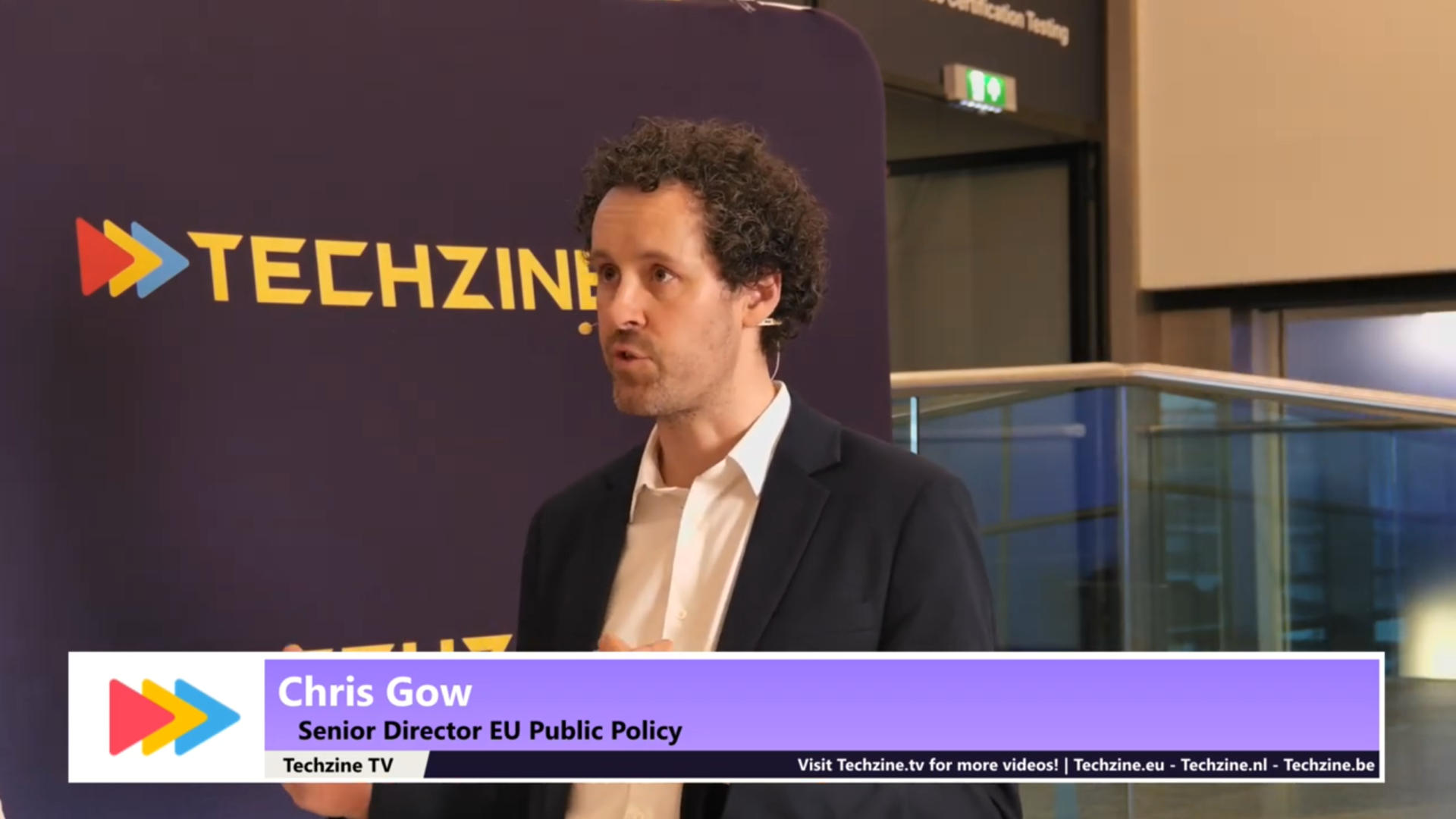
In this conversation from Cisco Live Amsterdam with Chris Gow, Senior Director of EU Public Policy at Cisco, he gives some insights into the intricate relationship between technology vendors and European governments. You’ll discover insights about how the legislative process actually works, and why it takes nearly a decade from initial conversations to final implementation.
During this interview, we tackle one of the biggest issues facing Europe today: digital sovereignty. We go beyond the surface and try to get an understanding from Gow about what sovereignty actually means in practice, why it exists on a spectrum rather than as a binary choice, and how different European countries are taking vastly different approaches to the same challenges.
What you’ll learn from this video
The conversations deals with how public policy professionals engage with governments years before legislation is even drafted. It all starts with consultation phases that most people never hear about. We give you insights into why competitors actually collaborate extensively on policy matters through trade associations, and how this collaboration shapes the laws that eventually govern the entire technology industry.
Gow addresses the evolution of sovereignty concerns from data protection following the Snowden revelations to today’s focus on operational resilience and service disruption. The conversation further deals with why 27 EU leaders signed a declaration on digital sovereignty. This elevates the topic from a niche concern to a top-tier political priority alongside traditional issues like defense and economy.
The sovereignty spectrum
One of the most valuable parts of our conversation with Gow is, we think, when we go into sovereignty as a spectrum of solutions rather than a single approach. In other words, what counts as sovereign for one organization may not meet another’s requirements. Even within a single customer, different workloads demand different sovereignty approaches.
The interview also tackles the topic of “sovereignty washing”, when vendors sometimes label solutions as sovereign without clear definitions of what that actually means. Gow explains the underlying principles of autonomy and freedom from external interference that should guide sovereignty decisions, regardless of specific implementations.
Real-world implications and challenges
As always, we try to go beyond theory. In this conversation, therefore, we address practical challenges too. We talk about why some countries are years behind on NIS2 implementation, how different government ministries within the same country can have conflicting priorities, and why the CFO’s perspective on sovereignty differs dramatically from the CISO’s view.
As a key player in the world of technology, Cisco needs a good response to everything that has to do with policy, sovereignty and so on. It had a crack at it with its sovereign critical infrastructure portfolio announced in September. Conversations between policy professionals and product teams shape what actually gets built and delivered to customers.
Key topics covered include:
- The hidden timeline of EU legislation from initial consultations to final implementation
- How technology competitors collaborate through trade associations to influence policy
- Why sovereignty has evolved from data protection to operational resilience concerns
- The spectrum of sovereignty solutions from global SaaS to on-premises deployment
- National differences in sovereignty approaches across European countries
- The reality of customer adoption versus vendor claims about sovereign solutions
- How Cisco’s sovereign critical infrastructure portfolio addresses market needs
- The challenge of sovereignty washing and unclear definitions
Whether you’re involved in enterprise technology procurement, cybersecurity, compliance, or simply trying to understand the forces shaping Europe’s digital future, this conversation provides invaluable context that you won’t find in policy documents or vendor marketing materials. Watch the full interview to gain insights that will help you navigate the complex landscape of EU digital sovereignty.